
Central function for your brake system
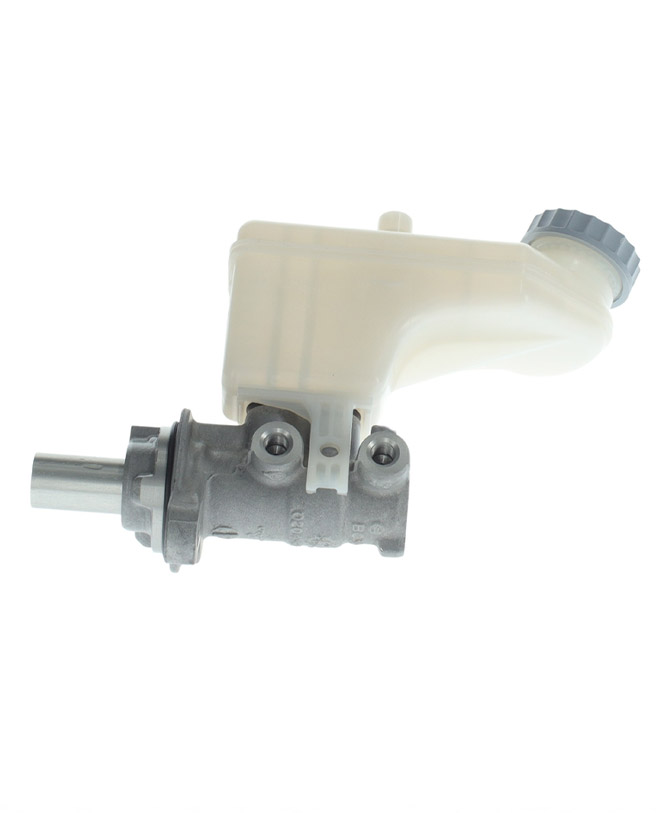
The brake master cylinder is the heart of the hydraulic brake control system: it converts pedal force into hydraulic pressure and distributes it evenly to the wheel brake cylinders. Any leakage, insufficient stroke or wear in the cylinder mechanism can have a negative impact on braking behavior and endanger safety.
Wide range of accessories in the store
Our range includes spare parts and accessories such as boots (bellows) for master brake cylinders, repair kits and complete master brake cylinders in various designs. These components enable both precise repair and complete replacement in the event of a defect or wear.
What should you look out for when buying:
The central control in the truck brake system
Although the master brake cylinder in its classic, hydraulic design is the centerpiece in many light commercial vehicles and older trucks, the central brake control in modern heavy-duty trucks is taken over by pneumatic components. The functional equivalent of the master brake cylinder here is the foot brake valve (or brake valve). This valve is the interface between the driver and the air brake system: it converts the mechanical force of the brake pedal into two separate, proportional pneumatic control pressures. The maximum precision of this valve is crucial in order to precisely modulate the high pressures (typically up to 12 bar) and ensure sensitive, safe deceleration of the entire vehicle combination (truck and trailer).
Safety through dual-circuit systems and redundancy
The central importance of the master brake cylinder or the foot brake valve lies in the safety architecture. All commercial vehicles must have a dual-circuit brake system that maintains the function of the other circuit even if one circuit fails. Hydraulic master cylinders for trucks are therefore designed as tandem cylinders that supply two independent pressure circuits. This design ensures that the master brake cylinder retains the remaining braking effect even in the event of a fault in one line. With the pneumatic foot brake valve, two separate control lines are also activated to control the front and rear brake circuits and the trailer brake system independently of each other. The perfect tightness and function of this component is therefore the most fundamental prerequisite for road safety.
Requirements for accessories
Regardless of the type of actuation, accessories in the truck sector must be extremely robust, as every component on the brake master cylinder has a direct influence on the braking distance and vehicle control. In the case of hydraulic cylinders, the sealing sleeves and pistons are more solidly dimensioned and must be able to withstand higher loads and longer service lives. In pneumatic systems, the mounting parts of the brake valve and the connected air lines must be absolutely pressure-resistant and vibration-resistant. The selection of spare parts of tested quality is essential to ensure that the legally prescribed braking performance and the reliability of the brake system are guaranteed at all times, even under maximum load and in long-distance traffic.