
Protection against fine dust in exhaust gas
Soot and particulate filters trap dangerous particles from the exhaust gas before they are released into the environment. They ensure that the soot content is significantly reduced and that the vehicle can be operated with low emissions – a key component of modern exhaust gas aftertreatment.
Consistently good performance
A particulate filter has a porous structure that forces exhaust gases to travel through fine channels. The soot particles retained in the process accumulate and must later be burned in a process called regeneration to prevent the filter from clogging.
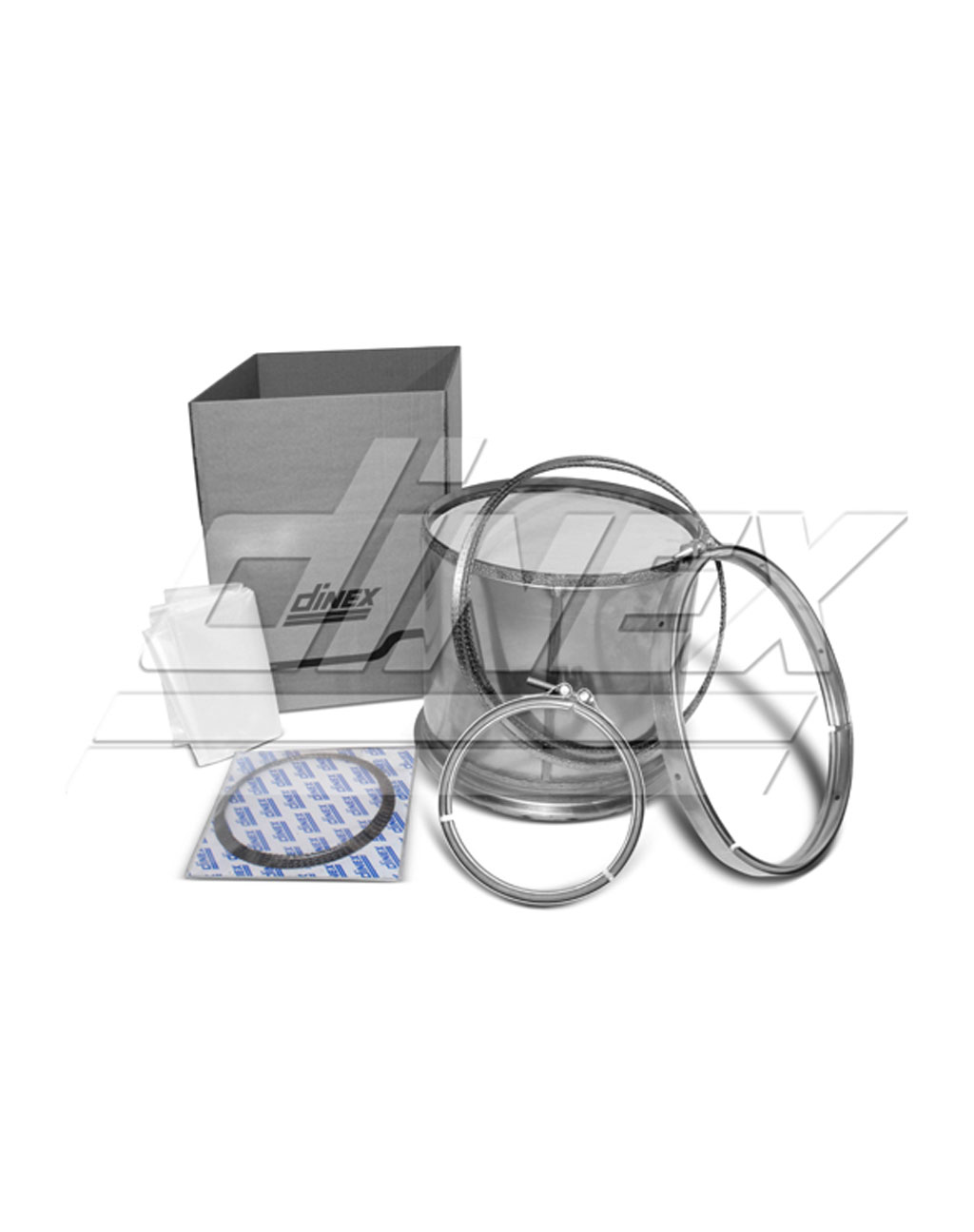
Protection against particulate matter in exhaust gas: a contribution to the environment and technology
Soot and particulate filters fulfill an indispensable function in modern vehicles: they effectively trap dangerous particles and fine dust from the exhaust gas flow before they can enter the environment. Through this process, they ensure that the proportion of soot in the emissions is significantly reduced. This is not only a matter of environmental protection, but is also technically necessary to ensure that the vehicle can be operated in an emission-friendly manner and complies with the statutory exhaust emission standards. The filter is therefore a central and indispensable component of modern exhaust gas aftertreatment.
Consistently good performance thanks to intelligent structure
The technical basis of a particle filter is its special, porous structure. The exhaust gases are forced to make their way through a system of fine channels and walls. While the gaseous components can pass through, the solid soot particles are retained on the filter walls and accumulate there.
A regular cleaning process is necessary to ensure that the filter does not become clogged and lose its permeability due to this accumulation. The deposited soot particles must be burned off in a process known as regeneration. This is the only way to ensure that the filter is not blocked and that the exhaust gas flow can continue unhindered.
Soot and particulate filters: What should you look out for when buying?
When selecting the right filter, technical specifications are crucial for the longevity and efficiency of the vehicle. Pay particular attention to the following three points:
-
Exhaust back pressure: The balance is crucial. Choose a filter that easily allows the exhaust gas flow rate required by the engine without increasing the back pressure in the system too much. Too much back pressure could impair engine performance and increase fuel consumption.
-
Pressure resistance and regeneration capacity: Quality is reflected in the load capacity. The filter must be designed in such a way that it can regenerate reliably even under load. At the same time, it should have low pressure losses so as not to jeopardize the efficiency of the overall system.
-
Accurate fit of the connections: To ensure that the installation runs smoothly and the system is tight, the dimensions must be exactly right. Make sure that both the connection diameters and the flange connections match your existing flue gas system precisely.
Ensuring sustainable exhaust gas purification
By opting for high-quality filters, you are investing in more than just a spare part. You ensure clean exhaust gases in the long term, actively protect the environment and at the same time protect the sensitive vehicle technology from consequential damage. You also ensure consistent compliance with the applicable emissions regulations. Find the right filter for your vehicle – for a simple and reliable solution.