
Effect in the chassis
A stabilizer (also known as a roll or transverse stabilizer) connects the wheels of an axle via a torsion-capable connection. It prevents one side of the vehicle from lowering more than the other when cornering, reduces roll (lateral tilt) and improves driving stability.
Connecting stability
The stabilizer bar typically consists of a torsion bar and two lever arms that are attached to the wheel suspensions. Accessories include rubber mounts, bushings, stabilizer pins, connecting joints and brackets. These parts must be free of play, temperature-resistant and precisely seated to ensure the stabilizer’s effectiveness over a long period of time.
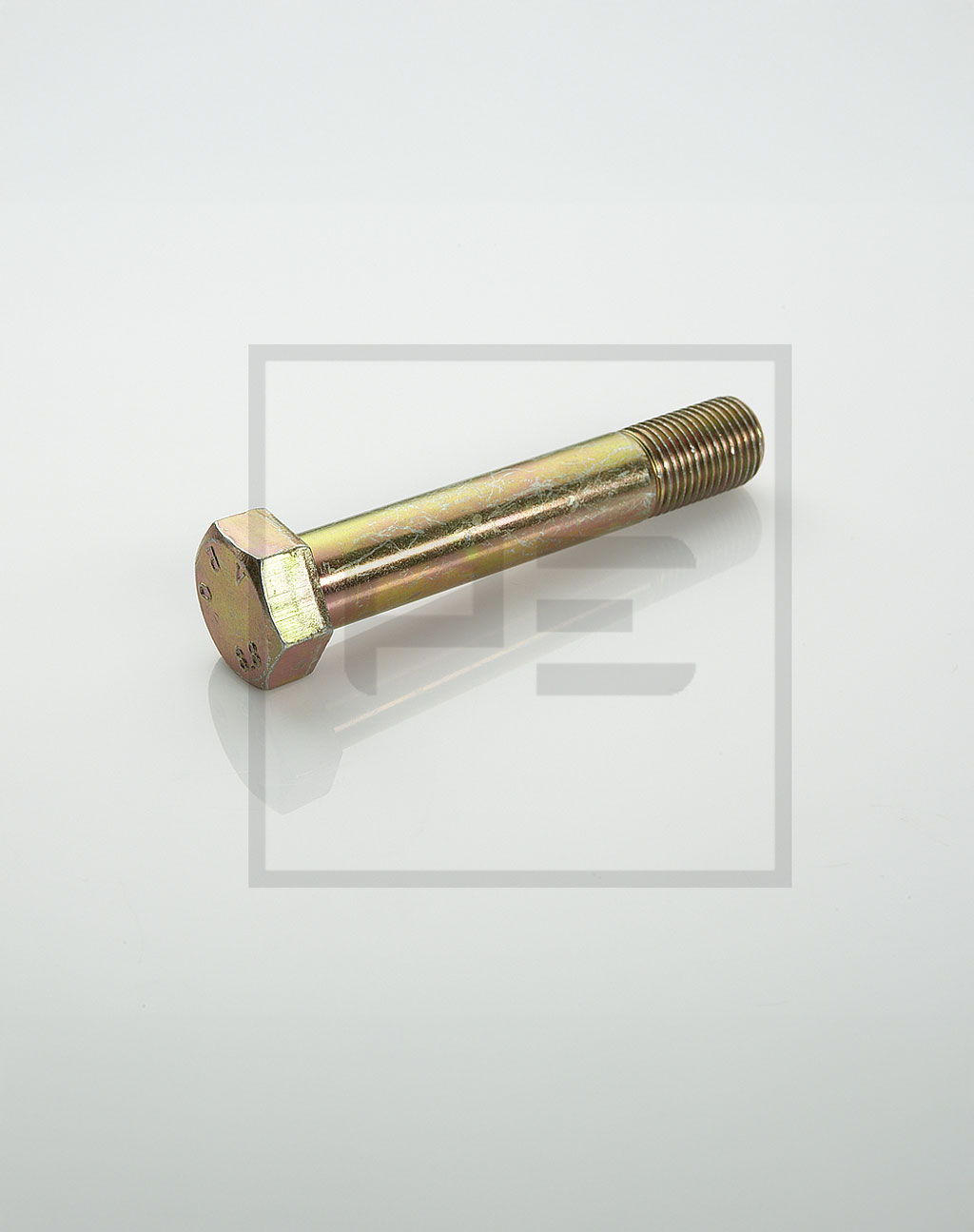
What should you look out for when buying:
The central role of the stabilizer in heavy goods traffic
In the truck sector, the stabilizer fulfils an absolutely critical safety function. In view of the high center of gravity of loaded commercial vehicles, especially tankers or silo trucks, and the enormous lateral forces in bends, the suppression of rolling movements (lateral tilt) is vital. Truck stabilizers are therefore massively dimensioned torsion bars made of high-strength steel, which have to absorb immense forces. They prevent the outer wheel from dipping excessively when cornering and ensure that the tires maintain optimum contact with the road surface – a fundamental contribution to tipping stability and driving safety.
Extreme demands on bearings and rubber elements
The reliability of the stabilizer depends crucially on the quality of its accessories, which are exposed to extreme loads in the truck. Rubber bearings, bushings and joints must not only absorb the massive torsional force of the bar, but also be constantly protected against corrosion, dirt and road salt. Even slight play or hardening of the rubber bushings leads to a reduction in the stabilizer effect, which can trigger dangerous rolling movements in critical driving situations (e.g. during abrupt evasive manoeuvres or rapid load changes). The components must therefore have a high fatigue strength and a precise hardness (Shore hardness) of the rubber elements.
Active and low-maintenance systems
Some modern trucks also use active stabilization systems that hydraulically or pneumatically adjust the torsional force of the stabilizer to the current driving situation (load, speed, cornering inclination). Regardless of whether a passive or active system is installed, the exact adjustment of all components to the axle geometry and the spring characteristics of the truck is crucial. When replacing the stabilizers and their accessories, attention must therefore be paid to the OE or original equipment quality to ensure that the correct torsion rate and full roll reduction are guaranteed and that the legally prescribed safety standards for commercial goods transport are met.