
Central components for pressure control
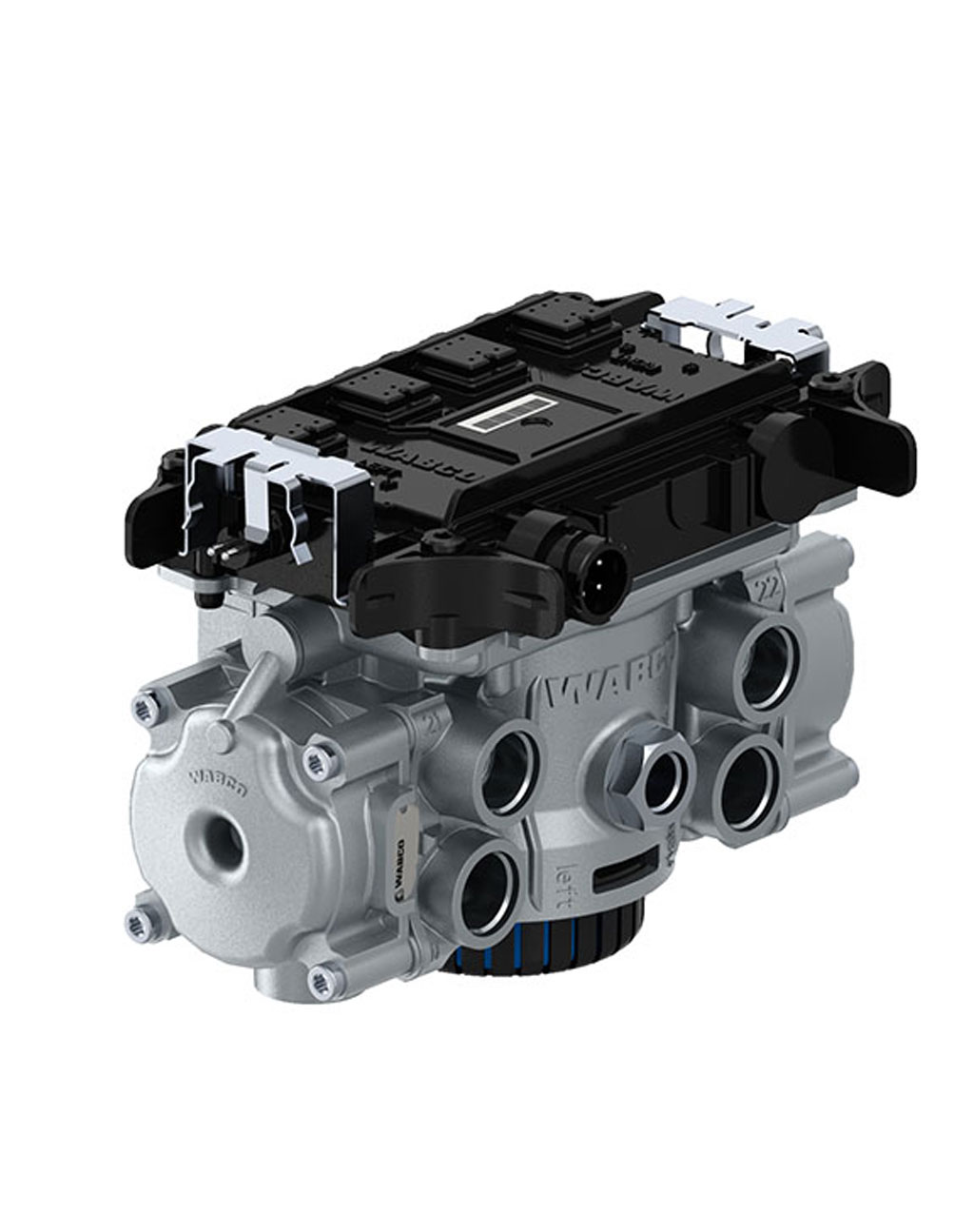
Valves in the compressed air system regulate, direct and limit the air flow in a variety of ways – e.g. brake valves for trailers, operating or locking functions. They ensure that compressed air is used in a targeted manner, control functions are supported and safety systems work reliably.
Precision in pressure setting & function
A well-designed valve must deliver the correct operating pressure and switch reliably between switching states. Only if the connections, pressure setting and sealing surfaces match each other exactly can proper functioning without leakage losses or dead zones be guaranteed.
What should you look out for when buying:
The heart of truck braking and control systems
In trucks, valves are the absolute neural center of the compressed air system. They not only control the essential braking function (service, parking and emergency brake), but also all other pneumatically operated systems, such as the air suspension, transmission shifting (in automated manual transmissions) and auxiliary consumers. The complexity of these valves is immense: from simple non-return valves to multi-circuit protection valves and electronically controlled solenoid valves – they all have to precisely regulate pressures of up to 12 bar and switch quickly in order to guarantee the safety and functionality of the entire vehicle.
Functional safety and electronic control
The highest requirement for valves in trucks is functional safety within the dual-circuit brake system. Special pressure control and overflow valves ensure that the other circuit remains functional in the event of a pressure loss in one circuit. Modern commercial vehicles are also increasingly using electronically controlled valves (e.g. in the EBS/ABS system). These valves must react at lightning speed to signals from the control unit in order to optimally modulate the brake pressure at each individual wheel. The precision of the pressure control provided by these valves is directly decisive for the stability of the truck, the shortening of the braking distance and the prevention of locking or skidding.
Robustness, tightness and durability
In view of the constant vibrations, extreme temperature differences and potential contamination of the compressed air by oil residue from the compressor, valves for trucks must be made of extremely resistant materials. Sealing technology is particularly critical here: the slightest leaks lead to unnecessary refilling by the air compressor and increase wear in the entire compressed air system. When replacing brake and control valves, uncompromising attention must therefore be paid to maintaining original equipment quality (OE quality) in order to ensure full pneumatic performance and compliance with the long maintenance intervals in continuous commercial use.