
Reliable spare parts for your generator
A vehicle alternator consists of many individual parts that work together: Carbon brushes, exciter windings, rectifiers, freewheels, brackets or fan wheels are examples of such assemblies, which are expressly offered as spare parts in the store.
Optimum performance
For a spare part to work properly in the alternator, the thread, dimensions and connection routing must fit exactly. This is the only way to ensure that the electrical connection remains stable and the generator remains functional in the long term without the need for adjustments or reworking.
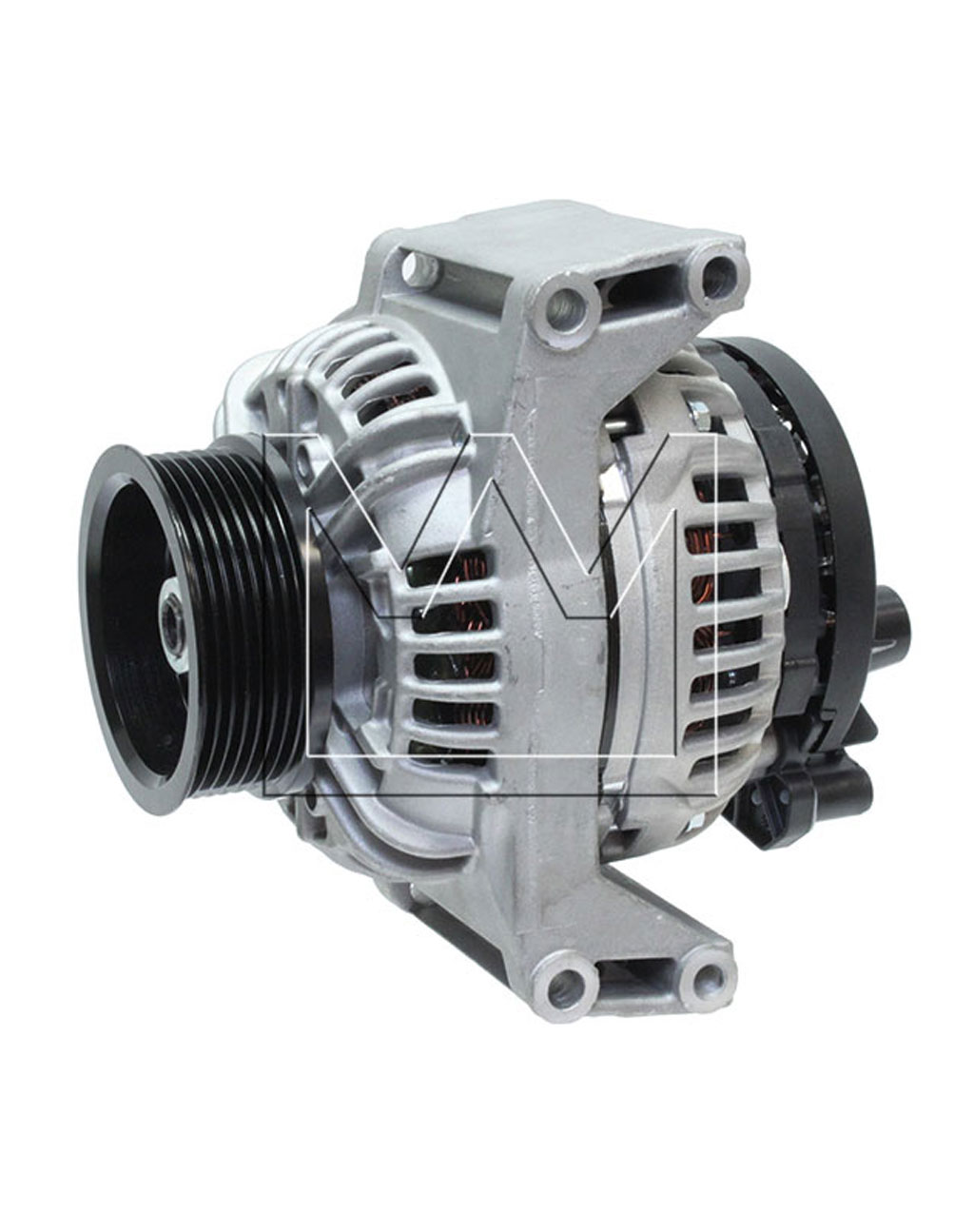
What should you look out for when buying:
Maximum current load in the truck electrical system
The alternator in a truck is designed for a significantly higher electrical output and continuous load than in a car. While car systems often work with 12 volts, trucks use a 24-volt architecture and simultaneously require extremely high currents (often over 100 amps) to supply numerous consumers. These include not only the lighting and the cab, but also complex systems such as the EBS/ABS braking system, AdBlue dosing (SCR), air conditioning systems and the powerful starter motor. Individual components such as exciter windings and rectifiers must be able to cope with these continuous loads and the high temperatures in the engine compartment without overheating or loss of performance.
High robustness and long maintenance intervals
Due to the tough operating conditions and long maintenance intervals in the freight forwarding industry, the individual parts of the truck generator must have a superior service life. Bearings, carbon brushes and slip rings are exposed to heavy vibration and continuous operation. Premature wear or a defect in these components immediately leads to insufficient charging of the batteries, which endangers critical systems such as the electronics and the on-board power supply. The overrunning alternator pulley (if fitted) must reliably decouple the massive torsional vibrations of the diesel engine in order to protect the mechanics of the alternator and the belt.
Material quality and 24-volt compatibility
When purchasing spare parts for truck alternators, exact compatibility with the 24-volt vehicle electrical system is absolutely essential. Components such as the voltage regulator must be precisely matched to the 28-volt charging voltage in order to prevent the batteries from overcharging or undercharging. In addition, all individual parts must be highly resistant to corrosion, as they are exposed to dirt, moisture and road salt. The use of OE or original equipment quality ensures that the electrical output of the alternator remains reliable and stable even under maximum load and over the entire planned service life of the commercial vehicle.