
Rely on tested quality and order level control and lift system components directly online.

Uniform height control under load

A level control system automatically adjusts the vehicle level and keeps it constant, regardless of the load status. The lift system supplements this function by raising or lowering the axles in a targeted manner. In this way, an optimum ride height is maintained with changing loads or in road operation, which increases stability and comfort.

Precise control via control valves and control units

Electronic control units, rotary slide valves or directional control valves and control technology are required for reliable level control. These components are responsible for filling, venting and adjusting the air bags in order to precisely set the desired target heights and automatically compensate for deviations – continuously.
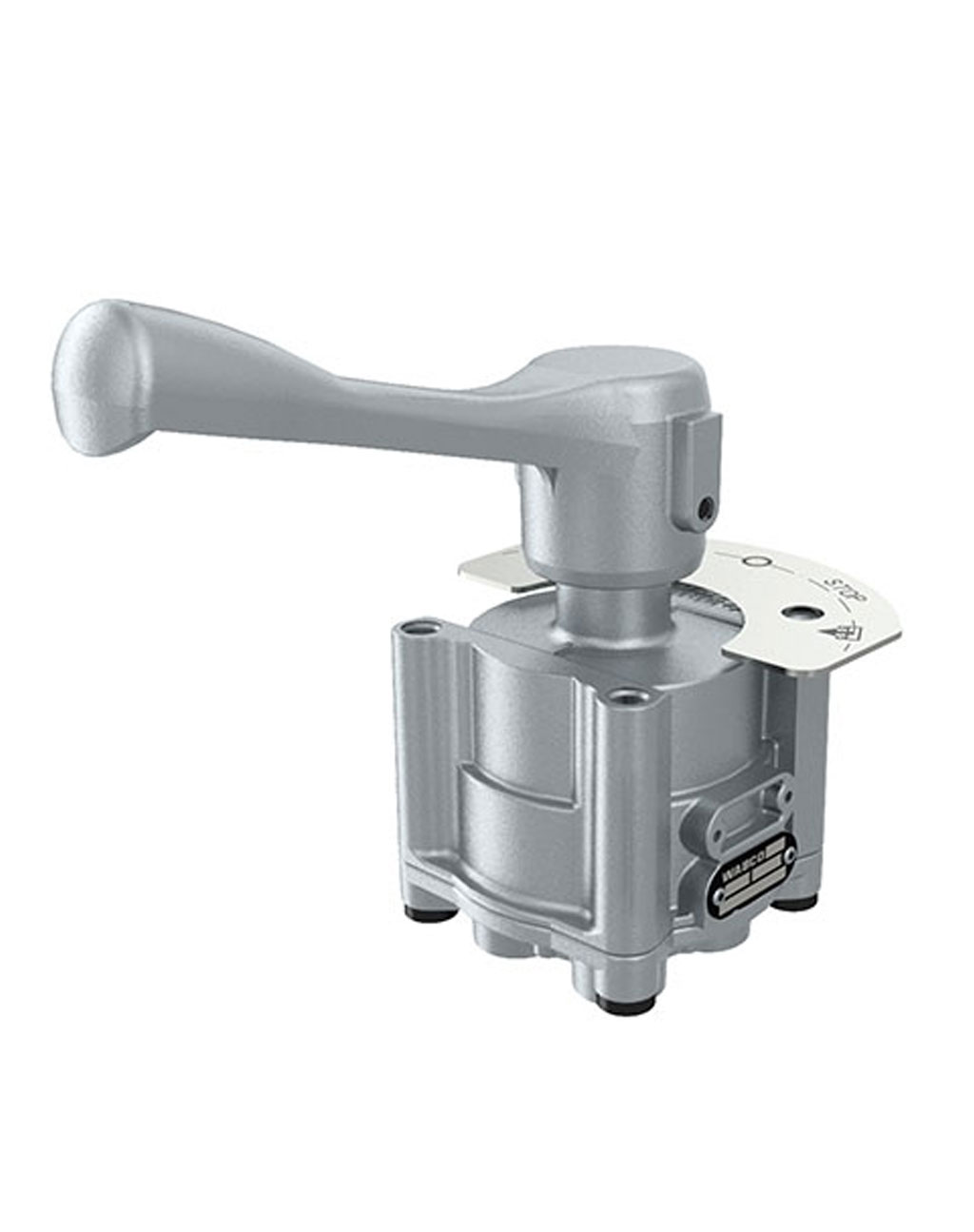
Level control

What should you look out for when buying:

Expert Guide: Everything You Need to Know About Level Control & Elevator Systems

The level control system automatically adjusts the vehicle’s height and keeps it constant—regardless of the load. This ensures that the ride height remains the same even as the load changes, which improves driving stability and comfort and protects the axles and suspension from unnecessary wear.

The lift system complements the level control by allowing specific axles to be raised or lowered as needed. When the load is light, an axle can be raised to reduce tire wear and fuel consumption; when the load is full, it remains lowered to distribute the weight.
Level control systems include electronic control units, rotary valves, directional control valves, and other control technology. These components are responsible for filling, venting, and adjusting the air spring bellows; they precisely set the desired target heights and continuously compensate for deviations.
Typical signs include a vehicle that is consistently too high or too low, a one-sided tilt, a lift that does not respond, audible air escaping, and a compressor that is constantly adjusting pressure. Such symptoms often indicate defective valves, control units, or leaky bellows.
The components must be compatible with each other and with the existing air suspension system or vehicle structure, and must be designed to handle the vehicle’s weight and operating conditions. Also, make sure that the components are compatible with the existing control unit and the valves in use.
Whether it’s a truck, trailer, bus, van, or farm machinery—we offer premium-quality replacement parts and accessories, as well as affordable aftermarket and compatible parts. This means we have the right solution for nearly every popular brand.

Control your vehicle level intelligently!

With the right components, you can ensure that your vehicle maintains the correct height at all times – whether fully loaded, empty or in construction site operation. This not only improves comfort and driving stability, but also protects the axles and suspension from unnecessary wear.