
Positive force transmission
The timing belt transmits rotational motion via a positive-lock connection—typically from the crankshaft to the camshaft(s) and often also to other components such as the water pump or balance shafts. This ensures that the valve timing remains precisely synchronized with the piston movement.
Synchronized in time
For optimal performance, timing belts must be tensioned precisely and guided over appropriate idler and tensioner pulleys. The individual components—belts, pulleys, and guide joints—must be properly matched to prevent noise, slippage, or premature wear.
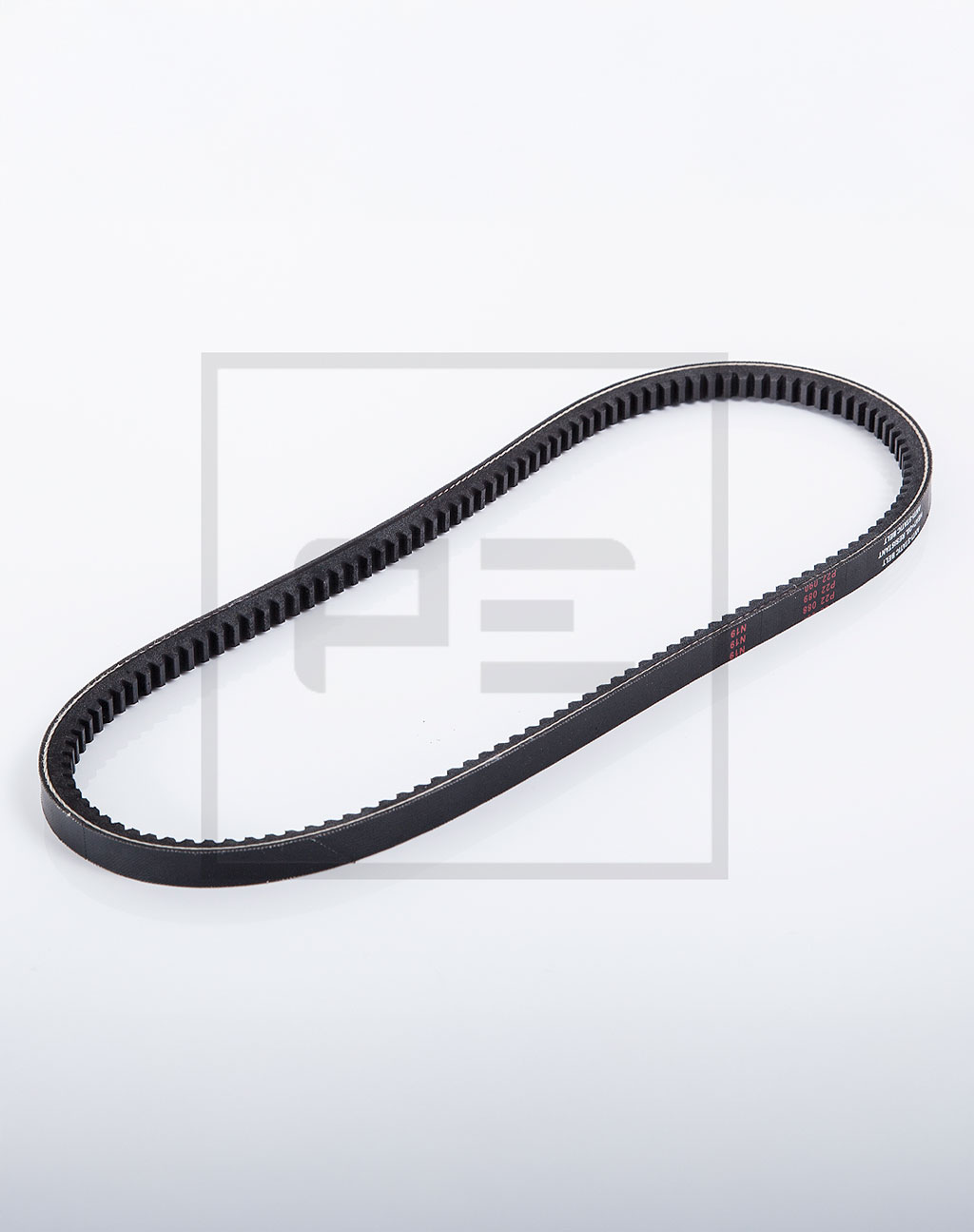
What should you look out for when buying:
High Loads and Durability in Truck Belt Drives
In the commercial vehicle sector, belt drive components—especially in modern diesel engines—must withstand extremely high loads. Unlike many passenger car engines, which use timing belts for valve timing, many heavy-duty trucks rely on the more robust gear-driven or spur-gear timing systems due to the required durability and reliability. However, the V-ribbed belt (flat belt) plays a central role in the engine drive system. It must transmit the drive power from the crankshaft to major power consumers such as the air conditioning compressor, the generator (alternator), and, above all, the high-performance air compressor for the compressed-air braking system.
Requirements for Tensioners and Damping
The components in a truck’s belt drive system—such as tensioners, idler pulleys, and pulleys—are designed to be more solid and robust due to the high forces and significant inertia of the driven units (e.g., a 400-A generator). These units generate significant torsional vibrations and load cycles, which must be damped by the belt. Tensioners must therefore not only ensure precise and constant belt tension but also incorporate internal damping mechanisms to compensate for these vibrations. The quality of the bearings in the pulleys is critical, as bearing failure in a truck can quickly lead to belt failure and, consequently, to the shutdown of vital systems.
Replacement intervals and material durability
Truck engines are designed for mileages of over one million kilometers. Although the replacement intervals for V-ribbed belts are generally not as critical as those for timing belts, they must be exceptionally resistant to mechanical abrasion, oil and thermal fatigue due to the tough operating conditions (heat, dirt, moisture) and long service intervals. When replacing the belt drive, it is therefore advisable to always use a complete belt set kit to ensure the cost-effectiveness and availability of the fleet. This includes the belt, the tensioning pulley and all idler pulleys in tested quality to ensure that the entire system is perfectly matched and achieves its full service life without premature failure.
Ensure your engine runs smoothly in the long term!
With optimally matched components, you can ensure precise control of your motor, avoid the risk of cracks and extend the service life of the entire drive system. Find tested spare parts for your model and keep your drive technology reliable in the long term.