
AdBlue in Winter: Freezing, Heating, and Common Mistakes
Diesel separates, batteries lose power, and air valves freeze. Many people don’t realize that AdBlue is also a winter concern until the exhaust treatment warning light comes on.
Yet the behavior of the fluid is quite predictable. If you know what happens inside the tank and what the heater is for, you can avoid most problems. This article explains when AdBlue freezes, what the vehicle does automatically to prevent it, and which mistakes can really cost you money in the winter.

At What Temperature Does AdBlue Freeze?
AdBlue is a solution consisting of 32.5 percent high-purity urea and demineralized water, standardized according to ISO 22241. The water content is the reason for the winter problem: AdBlue solidifies at around −11 °C.
The good news: Frozen AdBlue is not spoiled. Once thawed, it regains its original quality and can be used as normal. Freezing itself, therefore, does not cause any damage. Problems only arise if the system does not thaw properly or if it is thawed incorrectly.
How the SCR System’s Heating Works
Since the freezing point is known, the tank, lines, and dosing unit are heated as standard equipment. Depending on the vehicle, this is achieved using the engine’s coolant, electricity, or a combination of both. Three points are important to keep in mind:
- The heater only works when the engine is running. A vehicle left parked overnight in severe frost will have a frozen fuel tank in the morning. This is normal and intended by the manufacturer.
- It takes time to thaw. After starting the engine, a small area around the dispensing point thaws first. The system usually begins dispensing as soon as there is enough liquid AdBlue available there.
- A malfunction usually only becomes apparent in freezing conditions. A failed heating element, a stuck coolant valve, or a damaged hose assembly goes unnoticed in the summer. In the winter, they trigger an error message and, in serious cases, a reduction in performance.
If the warning light comes on regularly when the temperature is below freezing and goes off again when the weather warms up, this is a clear indication that there is a problem with the heater. In that case, the system should be diagnosed and inspected—the error should not be cleared.
Common Mistakes in Winter
- Store the canister outdoors or on the vehicle. The same rules that apply to the tank also apply to the container. A canister stored in an unheated storage compartment will turn into a block of ice in freezing temperatures and can no longer be transferred. Store AdBlue in a frost-free location away from direct sunlight, ideally at a consistent temperature below 25 °C. According to the manufacturers, it will then remain compliant with standards for at least 18 months.
- Do not dilute it with water or add “a little antifreeze.” Both of these actions destroy the composition. The system measures the quality of the fluid, detects any deviation, and reports an error. In the worst case, the sensor, pump, and catalytic converter will be affected as a result.
- Use additives without approval. There are additives on the market that, according to the manufacturers, are supposed to lower the freezing point by a few degrees and prevent deposits. If they have any effect at all, it is only preventive. Use such additives only if the vehicle manufacturer approves them.
- Forcibly thawing a frozen fuel tank. Hot air blowers, open flames, or hot water can damage plastic tanks, lines, and sensors. The correct approach is to start the engine, turn on the heater, and give the system time to warm up. During prolonged, severe frost, a heated garage can help.
- Fill the tank to the brim. AdBlue expands when it freezes. The tanks are designed with an expansion chamber for this purpose. Fill only up to the automatic shut-off point or up to the mark.
- Do not refill using dirty tools. A funnel that previously contained oil, diesel, or coolant is enough to cause a malfunction. Use only clean containers and filling aids designed for AdBlue.
- Putting AdBlue in the diesel tank. A classic mistake in the dark and cold. In this case: Do not start the engine, not even to move the vehicle. The tank must be emptied and cleaned. Conversely, if diesel gets into the AdBlue tank, you’ll also need to visit a repair shop.
- Ignore any white crusts. Spilled AdBlue dries into white urea crystals. On the fuel filler neck, this is harmless and can be washed off with warm water. However, crystals on pipe connections or on the dosing unit indicate a leak and should be investigated.
Winter Check for the SCR System
- Check the fluid level and refill in a timely manner—don’t wait until the warning message appears
- Store the supply in a frost-free, dark place; check the manufacturing date on the container
- Check the fuel cap, gasket, and vent for cleanliness and a secure fit
- Inspect hoses and connectors for chafing, cracks, and white deposits
- Have the error log read before winter if there were warnings the previous year
- If a warning recurs during freezing temperatures, have the system’s heater inspected
- Inform drivers: Do not overfill the tank; do not add any additives; do not start the engine if the wrong fuel has been used
What happens if the system does not dispense the correct amount
The SCR system is part of the exhaust aftertreatment system and is monitored by the vehicle. If the control system detects that too little AdBlue or the wrong type of AdBlue is being injected over an extended period, a warning phase is followed by a reduction in power. On a mountain road in winter, this is more than just a nuisance. That’s why it’s important to take a warning message seriously while the vehicle is still running normally.
Winter puts several systems to the test at once anyway. To learn how to avoid starting problems, read “Truck Batteries in Winter.” For tips on preventing frozen brake valves, see “Air Brake Systems in Winter.” You can find the legal requirements for tires and chains in “Mandatory Winter Equipment for Trucks in Austria.”
The Right Parts at FZB
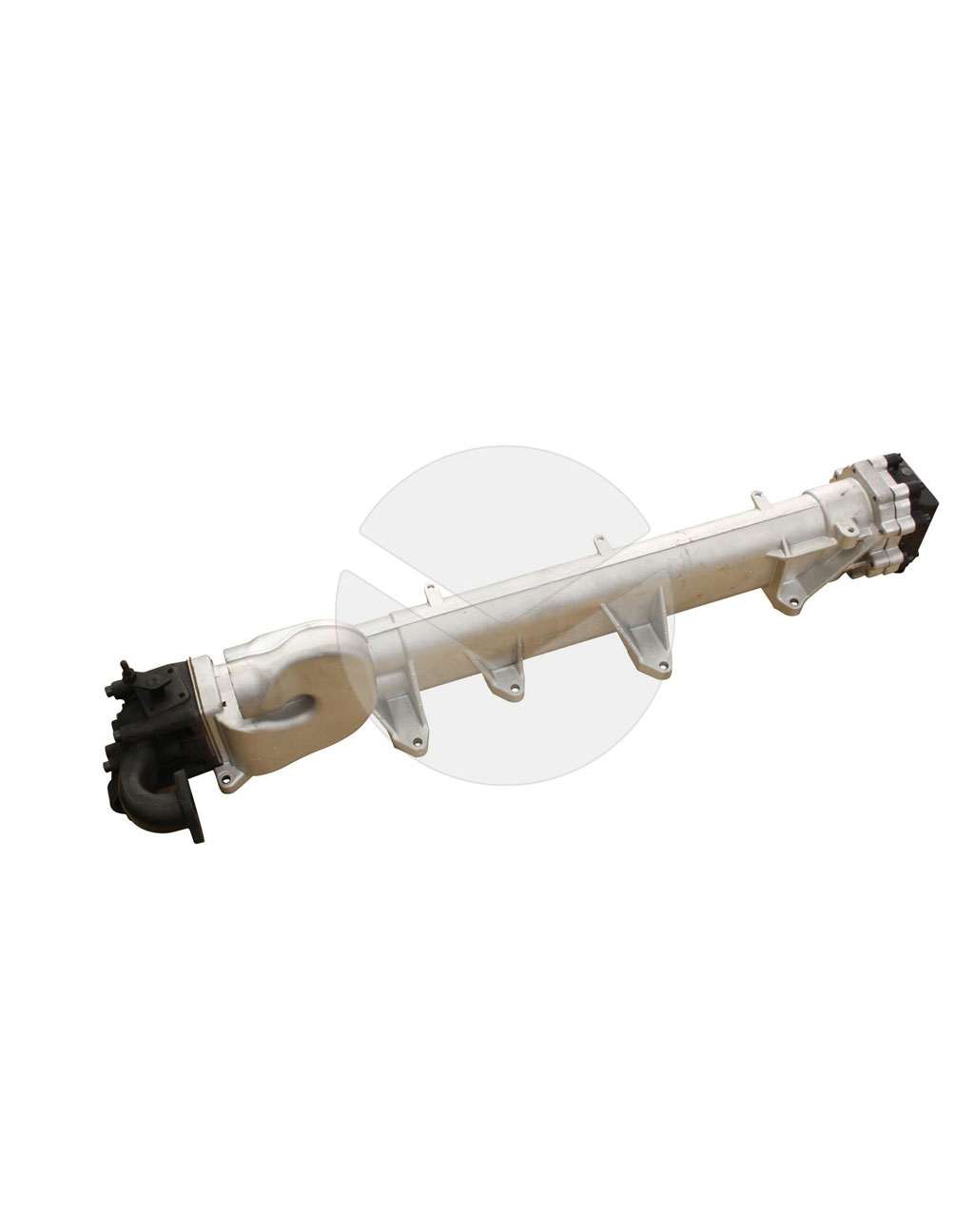
As a full-range supplier with over 350,000 items, FZB carries components for commercial vehicle exhaust aftertreatment—from sensors and hoses to metering and heating components. The quickest way to find out which part fits your system is to check the FZB Webshop or call your local FZB location.
Compatible parts: Exhaust aftertreatment. To see what other breakdowns are common in winter, check out “5 Common Causes of Truck Breakdowns.”