
Section 57a Inspection (“Pickerl”): The Checklist for Commercial Vehicles
The “Pickerl” is more than just a sticker on the windshield; it is the legally required confirmation that a vehicle is roadworthy and safe to operate. Commercial vehicles and trailers are subject to their own rules regarding deadlines, mandatory documentation, and defect assessment. If you come to the inspection well-prepared, you’ll avoid re-inspections, downtime, and hassle. This checklist guides you through the essentials.
What is the §57a assessment?
The §57a inspection is the periodic inspection of motor vehicles and trailers in accordance with the Motor Vehicle Act (KFG). The inspection covers road safety, operational safety, and environmental compliance. The scope of the legally required inspection is extensive—over 130 individual items are checked for each vehicle, ranging from the braking system, steering, and suspension to the lighting, tires, and exhaust emissions. The inspection is conducted by authorized bodies, such as licensed auto repair shops or testing organizations. Heavy trucks and trailers weighing more than 3.5 metric tons must undergo an inspection every year.
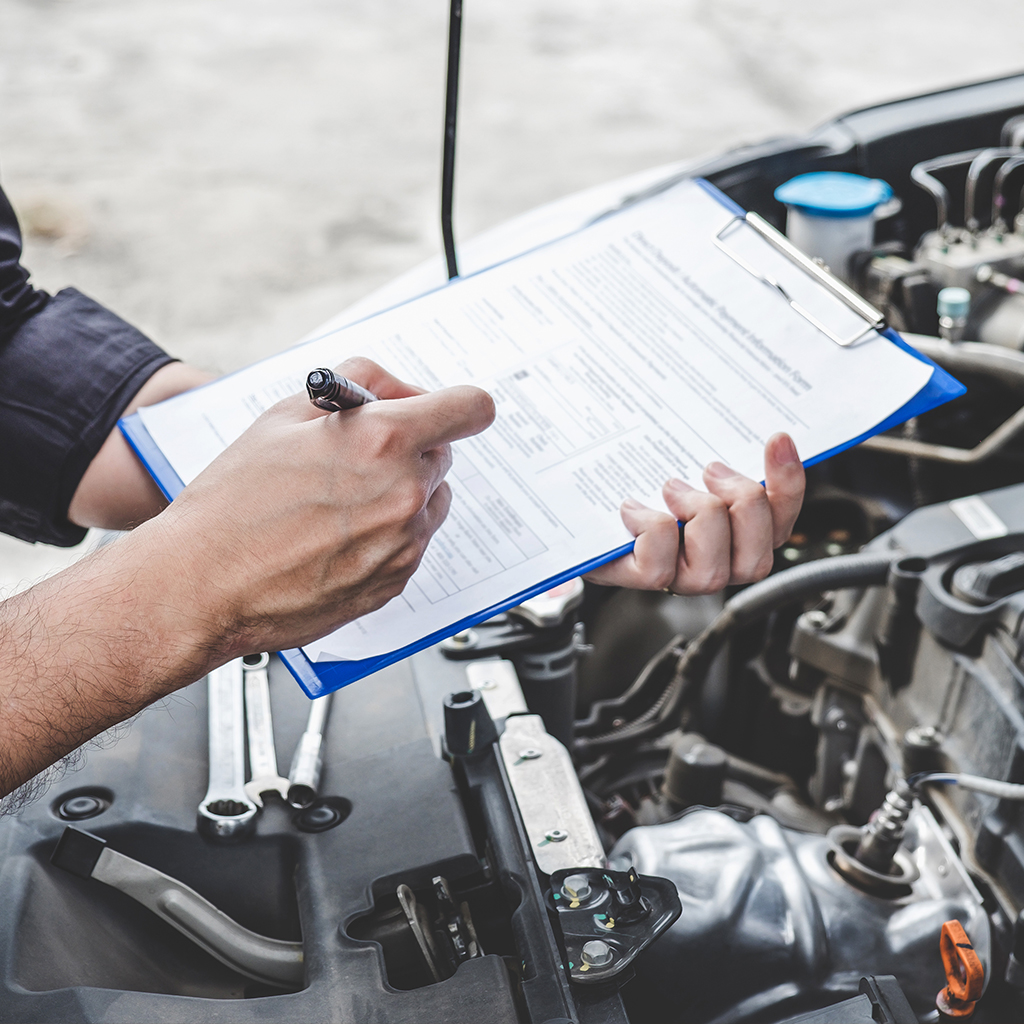
Deadlines: When does the commercial vehicle need to get its inspection sticker?
The inspection schedule is based on the month of initial registration. For commercial vehicles and heavy trailers, an annual inspection interval generally applies—unlike for passenger cars, which are currently still subject to the 3-2-1 schedule. Starting May 19, 2027, passenger cars and light trailers weighing up to 3.5 metric tons will switch to the 4-2-2-2-1 schedule (first inspection after four years, then three times at two-year intervals, followed by annual inspections). For heavy trucks and trailers over 3.5 metric tons, the annual inspection schedule will remain in effect.
Important for commercial vehicles and heavy trailers (Classes N2, N3, M2, M3, O3, O4): A different grace period applies here than for passenger cars—the inspection can be conducted up to three months before the due date and up to the end of the month indicated on the sticker. If the deadline is missed, the sticker is no longer valid, and both drivers and vehicle owners may be subject to penalties.
We’ve broken down the exact intervals for agricultural trailers in the Harvest Season Check.
Carry-on Requirement: These Vehicles Must Have the Inspection Report On Board
For certain vehicles, it is mandatory to carry the inspection report from the most recent §57a inspection in the vehicle:
- M2 and M3 Class Buses
- Trucks with a gross vehicle weight rating of more than 3.5 metric tons (Classes N2 and N3)
- Trailers with a gross vehicle weight rating exceeding 3.5 metric tons (Classes O3 and O4)
- Class T5 tractors used primarily for commercial purposes with a design speed exceeding 40 km/h
Anyone driving here without an inspection report risks being cited—regardless of whether the sticker itself is valid.
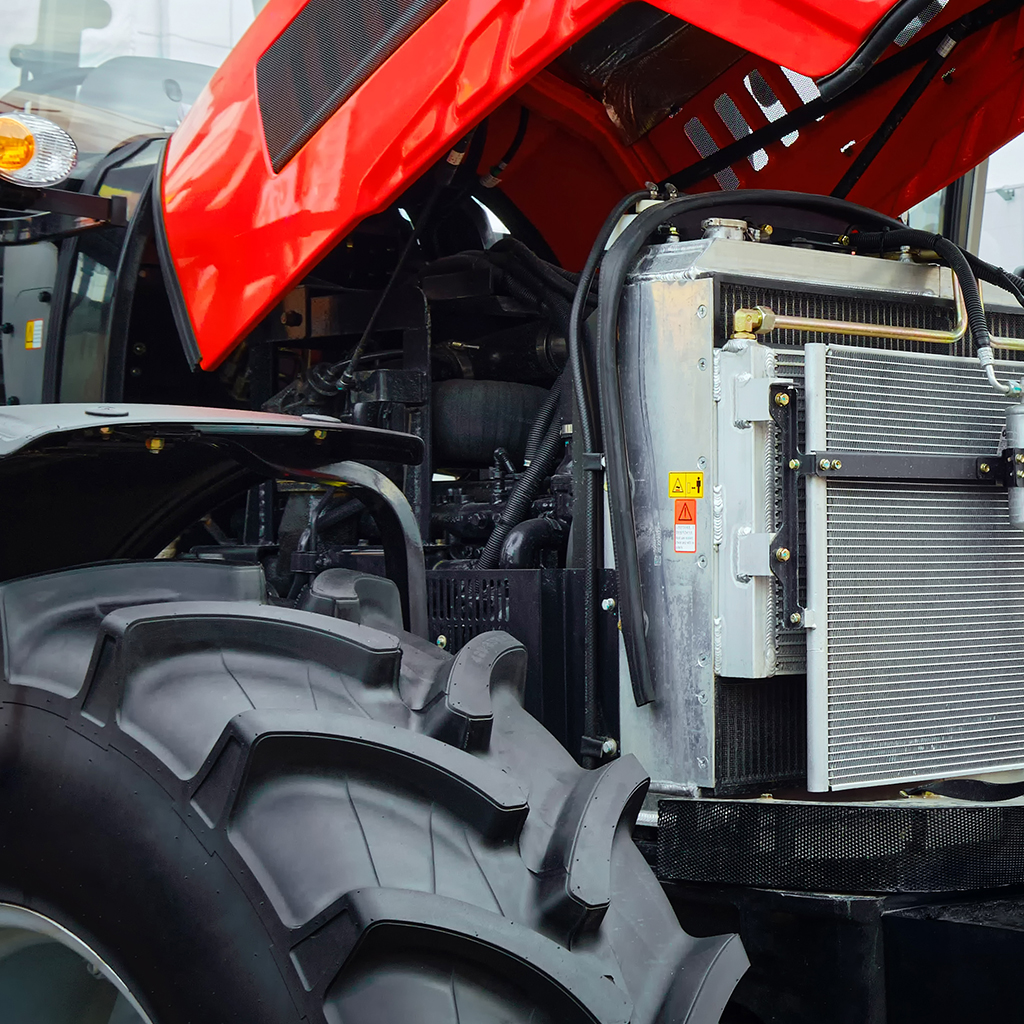
The Four Categories of Defects—and What They Mean
The inspector evaluates each defect found according to a set procedure. For vehicles weighing more than 3.5 metric tons and classic cars, “regulatory defects” are also taken into account.
- No defects: The vehicle complies with regulations; the inspection sticker will be issued.
- Minor defect (LM): Does not significantly impair traffic safety, operational safety, or environmental safety. The inspection sticker will still be issued, but the defect should be repaired as soon as possible to prevent it from worsening.
- Serious Defect (SM): The vehicle is not roadworthy or safe to operate; a roadworthiness sticker will not be issued. The vehicle may be used for no more than two months after the inspection—but not beyond the expiration date indicated on the current sticker—and the defect must be repaired at the nearest suitable repair shop.
- Imminent Danger (ID): The defect poses a direct, immediate threat to traffic safety. Continued use is not permitted. Such defects are automatically reported to the authorities, who may order the suspension of the vehicle’s registration—in which case the license plates must be surrendered.
Re-examination: An Important Relief Measure
If a vehicle fails inspection due to a serious defect, a complete re-inspection is not required—provided that it is presented again at the same inspection station within four weeks and has not traveled more than 1,000 km during that time. In that case, only the repair of the serious defect and any obviously new defects will be assessed. This saves time and money—a good reason to have the defect repaired quickly and return to the same inspection station.
Checklist: How to Pass the Vehicle Inspection
Many of the issues the inspector points out can be checked in advance on your own. These points should be addressed before the inspection:
- Brake System: Brake pads, rotors/drums, compressed air system (check for leaks), parking brake. For details, see “Replacing Truck Brake Pads.”
- Lighting: All lights, including clearance lights, side lights, and license plate lights; operation in conjunction with the trailer.
- Tires: Minimum tread depth, even wear, sidewall condition, correct size as listed in the paperwork.
- Axles and Chassis: Wheel bearing play, suspension, shock absorbers, steering. For BPW axles, see “Maintaining BPW Axles.”
- Exhaust and Exhaust Gases: Leak-free exhaust system; no excessive smoke.
- Body and Frame: Check load-bearing parts for rust and cracks.
- Equipment: Warning triangle, first-aid kit, and high-visibility vest provided.
- Documents: Registration certificate; for vehicles over 3.5 metric tons, proof of approval; and, if applicable, an expert report on special equipment.
- Vehicle cleaned — a dirty vehicle can make it harder to assess.
If you address these points in advance, the review will go from being a risk to a mere formality.
Preparing and Stocking Parts with FZB
The most common issues—lights, brakes, tires, and suspension—can be resolved in advance with the right replacement parts. As a full-range supplier with over 350,000 items, FZB carries everything you need to prepare for your vehicle inspection. Place your order in the FZB Webshop or contact your local FZB location. And if you’re planning maintenance anyway, combine it with the seasonal trailer and machinery check.
Compatible parts: Brake systems for commercial vehicles, lighting.

Note: This article provides a general overview and is not a substitute for legal advice. Deadlines, the scope of the review, and the assessment of defects are governed by the current version of the KFG and the Regulation on Testing and Certification Bodies.